



August 13, 2026

David Parisi
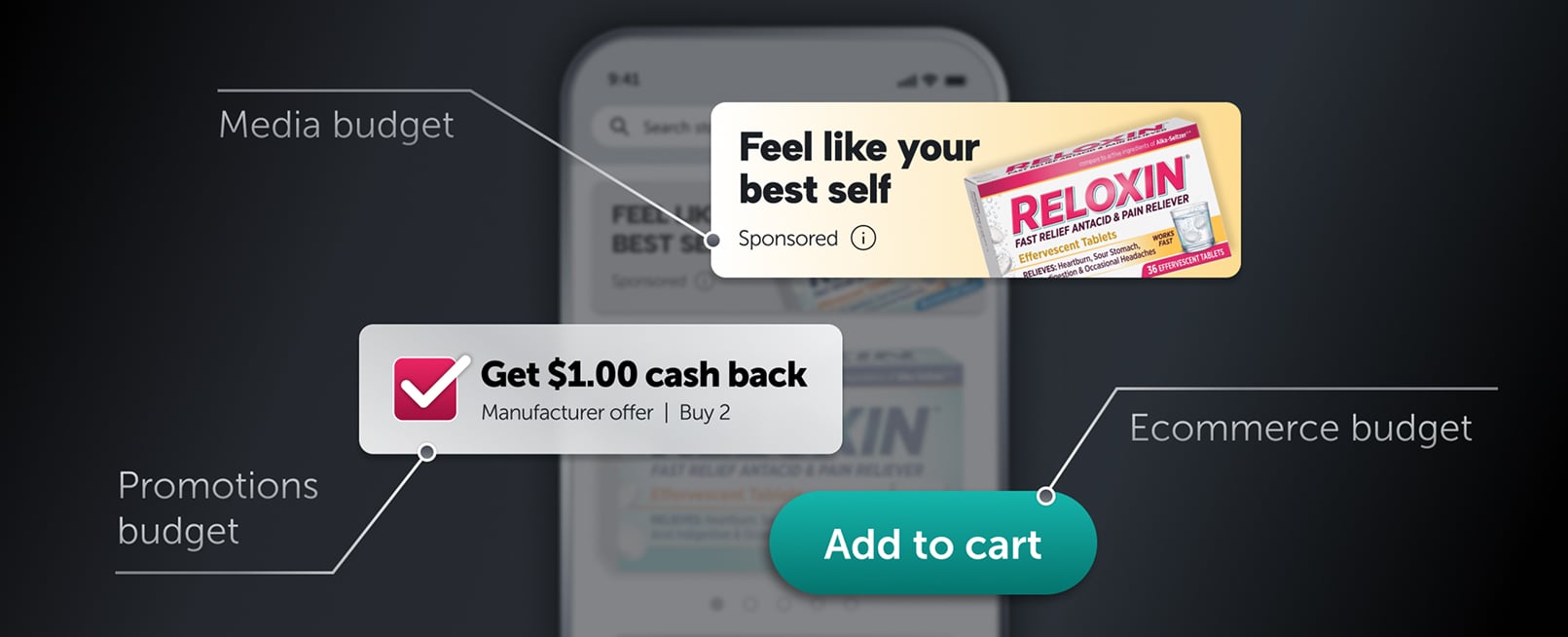
In a recent conversation with leaders from Kenvue and Uber, I was struck by the contrast between how consumers experience last-mile commerce and how CPG organizations manage it internally. For example: a shopper opens a delivery app because they need sunscreen before heading outside, pain reliever after a long flight, or an ingredient they forgot for dinner. They may not arrive with a specific brand in mind. Within a few taps, a placement catches their attention, an offer gives them a reason to choose, and the purchase is complete.
To the shopper, that is one experience. Inside a CPG organization, however, responsibility for influencing that same purchase may be divided across media, shopper marketing, ecommerce, trade, and promotions. The placement that introduced the product can sit in one budget, and the offer that helped convert the shopper can sit in another. Each may have its own team, planning calendar, partner, and definition of success.
That separation carries a cost. In an earlier era of marketing, awareness and purchase were farther apart and different channels played more distinct roles. But last-mile commerce is compressing that journey. Discovery, consideration, value, and conversion increasingly happen within the same session, often in a matter of minutes. And when teams cannot see how their investments work together, brands make slower decisions and miss chances to shift spending toward the combinations actually producing incremental growth.
The consumer journey has changed faster than the budget structure built to support it.
A shared purchase, divided internally
Media and promotions developed as separate disciplines: media created reach and demand, and promotions supported conversion, retailer relationships, and volume goals. Each function built its own expertise and operating model.
This approach becomes a problem only when each activity is evaluated without a common view of the outcome. A campaign may produce strong reach, healthy engagement, high redemption, or increased volume. Those measures remain useful within their respective disciplines, but they do not necessarily reveal whether the combined investment generated profitable, incremental growth.
Thus the uncomfortable possibility that both teams can meet their individual KPIs while the business still lacks a clear answer about which specific investments drove incremental sales, shifted share, or changed shopping behavior.
As the path to purchase shortens, consumers are not experiencing a media placement and a promotion as separate inputs. They see a product, assess the value, and decide whether to buy — often within the same session.
CPG planning needs to reflect that new reality. Those brands can still preserve specialized teams and budget lines while placing a shared business outcome above their channel-specific goals.
From separate KPIs to a common outcome
A common outcome changes the conversation to focus on one question: what combination produced incremental, profitable demand?
Answering that question requires a connected view of the purchase journey. Discovery can make a product relevant, added value can prompt action, and the resulting transaction can show which audiences, messages, products, and incentives deserve further investment.
When those signals remain disconnected, each channel is optimized against only part of the decision. Attention may be purchased without knowing whether it changed the sales outcome, while offers may be adjusted without understanding what first brought the shopper into consideration.
Retailer data, digital offers, and faster sales reporting are making a more complete feedback loop possible. Brands can use purchase outcomes to guide decisions about audience, message, offer design, and investment while there is still time to improve performance—and determine whether the resulting sales represent genuine incremental growth.
What coordinated investment looks like
For many CPG companies, the most practical starting point is a controlled test around a specific brand, consumer need, or last-mile occasion.
The participating teams should first agree on the business objective. That might be incremental sales, profitable trial, new-to-brand growth, or increased basket size. The objective should sit above the individual scorecards used to manage each component of the program.
The brand also needs a connected set of signals across the experience: who was reached, what value was presented, what was purchased, and whether the activity created incremental demand. The closer those signals are to the transaction, the more useful they become for decision-making.
Most importantly, teams need permission to respond. When a certain combination of audience, message, and offer produces profitable growth, investment should be able to follow that performance. When high engagement or redemption fails to translate into incremental sales, the brand should be able to change course. Even when the data shows what should happen next, fixed budgets, separate approvals, and long planning cycles can prevent teams from acting on it.
A successful test gives leaders evidence that teams can make better investment decisions when they share an objective and measurement system. Over time, those results can further encourage leaders to reconsider how budgets are established in the first place. Instead of deciding in advance how much belongs to media and how much belongs to promotions, brands can begin asking where the next dollar is most likely to produce profitable growth.
Organize around the purchase
Specialized teams will continue to bring different capabilities, relationships, and forms of expertise to the purchase journey. Their combined effect, however, is what the shopper experiences.
When visibility, value, and conversion occur within the same session, treating the investments behind them as unrelated obscures how growth was actually created. The more commerce compresses the path from discovery to purchase, the more costly that separation becomes.
Competitive CPG performance will increasingly depend on a brand’s ability to evaluate the full purchase experience and direct investment toward the combination of interventions that produces incremental growth.
In other words, the operating model needs to see what the shopper sees: a single purchase decision.