



August 6, 2026

Chris Riedy
Grocery marketers could once treat every shopping trip as an opportunity to earn consideration: consumers entered the store with a list, but the path to purchase remained dynamic because shelf placement, merchandising, promotions and in-store visibility all had potential to influence what ultimately landed in the cart.
That model is giving way to a fundamentally different era of grocery shopping, one in which an increasing number of today's grocery journeys begin inside a familiar delivery app. Online grocery shopping now accounts for nearly one-fifth of all grocery spending. According to Ibotta’s latest last-mile delivery survey of 500 U.S. consumers, nearly one-third of shoppers always use the same platform without considering alternatives and more than 70% have a preferred delivery platform.
The convenience and time-saving propositions of these delivery services is clearly impacting how consumers shop for groceries. But the implications extend well beyond where consumers shop. They fundamentally change how brands earn consideration.
Welcome to the Buy-It-Again Economy
Digital grocery is designed to facilitate repeat purchasing. Saved baskets, "Buy Again" buttons, subscriptions, personalized recommendations and AI-driven merchandising; all are designed to reduce friction and add convenience. The fewer decisions consumers have to make, the easier it is to complete a shopping trip in minutes rather than wandering the aisles for an hour.
Collectively, these features have created the Buy-It-Again Economy; a shopping environment optimized not for evaluating new choices, but for repeating familiar ones.
Historically, brands competed against other brands with products sitting on the shelf. In the delivery apps, they are competing against something far more powerful: the consumer's existing routine.
This is the challenge CPG brands must address to win the basket. The same features consumers value most are the ones that make it harder to earn consideration.
Discovery didn't disappear. It changed.
While digital grocery has reduced many traditional opportunities for discovery, it has created new ones.
Instead of discovering products while wandering store aisles, shoppers increasingly discover them through retailer search, personalized recommendations, sponsored placements, recipes, curated collections and, perhaps most importantly, promotions. The data suggests consumers remain remarkably open to changing course — provided they're given a compelling reason.
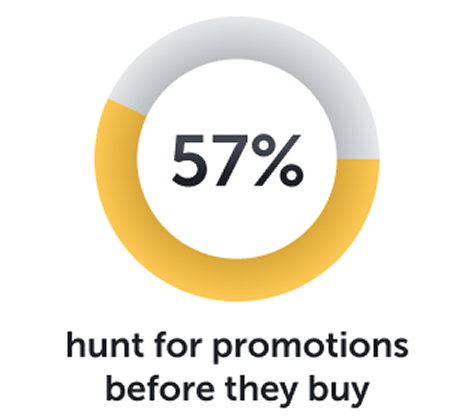
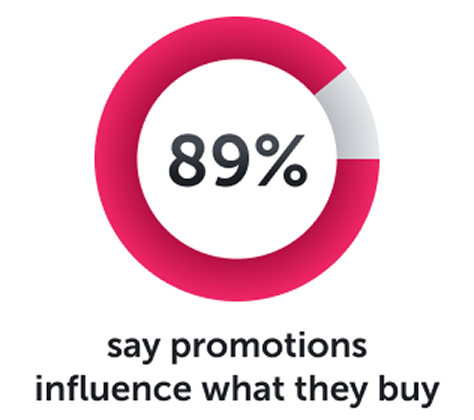
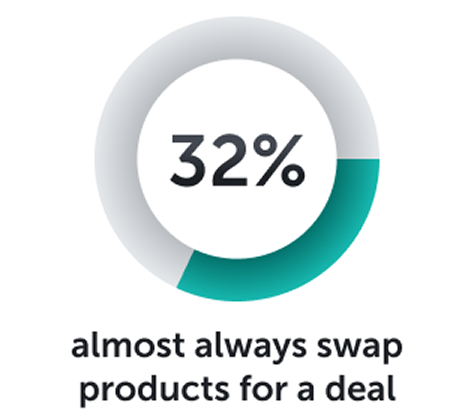
Our research shows that more than half of shoppers actively seek promotions before making grocery purchases. Nearly nine in 10 say promotions influence what they ultimately buy. Almost one-third report that they almost always switch products when a compelling promotion is available, while another 57% say they'll switch when an offer appears on a product they were already willing to consider.
These aren't impulse purchases in the traditional sense. A relevant promotion can stop a shopper’s thumb just long enough to give them a reason to reconsider before checkout. Awareness, consideration and decision are being compressed into a single moment.
The reconsideration moment
Every shopping journey contains a brief window between intention and purchase; the point at which a shopper pauses long enough to question whether the product they intended to buy is still the right choice.
In the Buy-It-Again Economy, Awareness, Consideration, and Purchase looks more like Habit. Confirmation. Purchase. Shoppers are searching less, browsing less, and rebuilding last week’s cart faster.
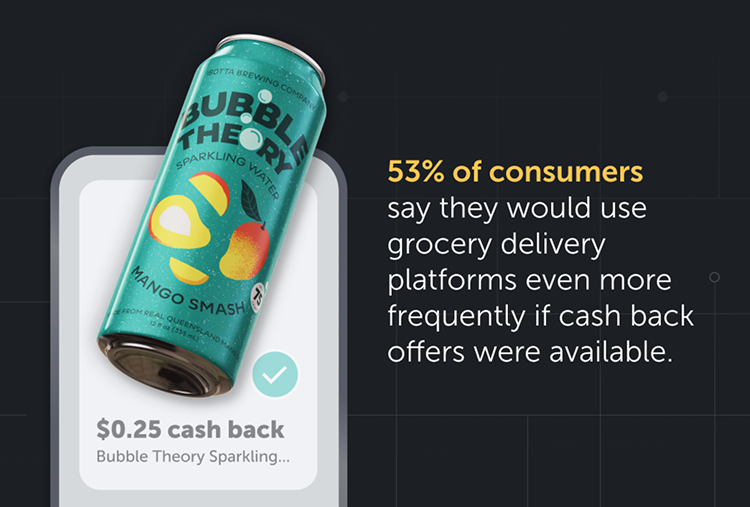
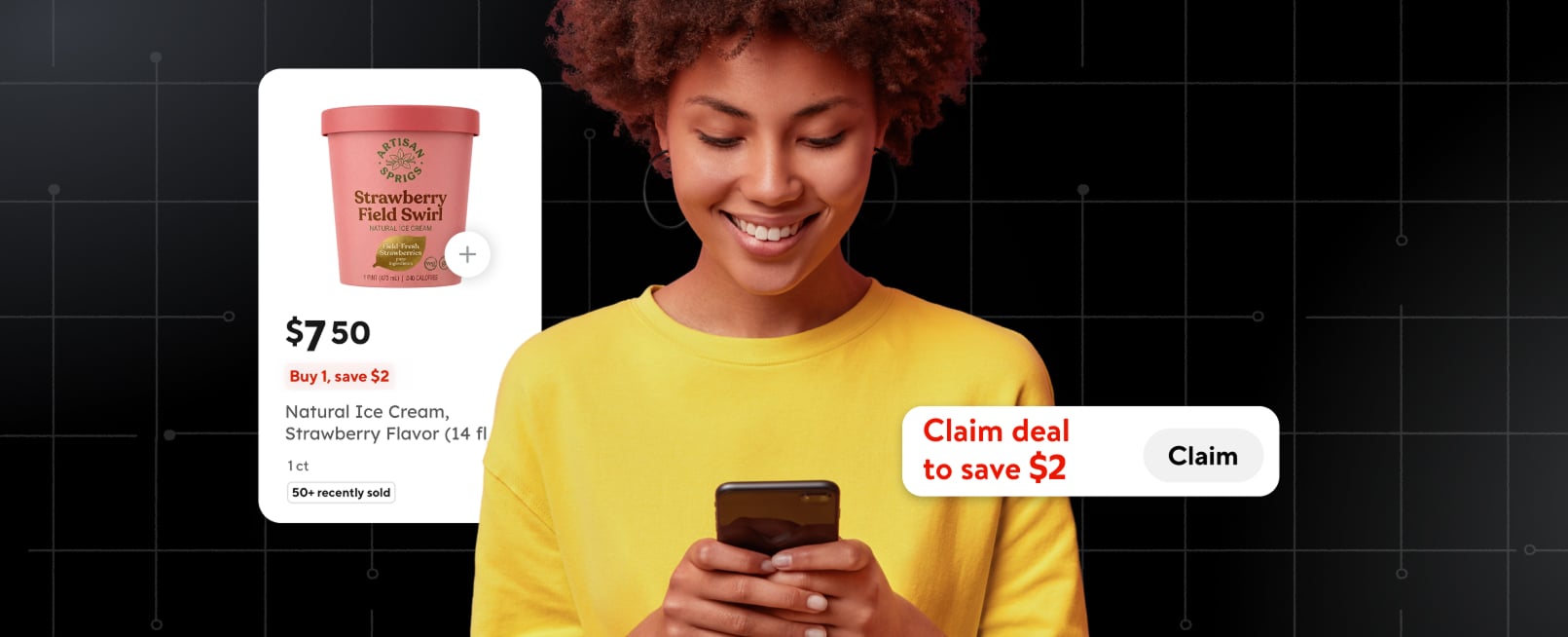
Promotions become especially powerful in this context because they create consideration in an otherwise automatic shopping experience. A cash back offer is reason to pause. A personalized offer invites comparison. A well-timed promotion briefly reintroduces consideration into a highly optimized shopping journey.
And consumers appear eager for them. Of the consumers we surveyed, more than half say they would use grocery delivery platforms even more frequently if cash back offers were broadly available — a reminder that the right incentive can create value for shoppers, retailers and brands simultaneously.
Marketing for a world built around habit
Consumers increasingly begin with habit, not exploration. They open familiar apps, rebuild familiar baskets and complete familiar purchases with remarkable efficiency.
Growth depends on recognizing that efficiency isn't the enemy. Habit is simply the new starting point.
Instead of asking, "How do we get consumers to notice our product?" CPG marketers need to ask, "What would make someone pause long enough to rethink what they were already planning to buy?"
In the Buy-It-Again Economy, discovery is still possible but more scarce. That’s why it is more valuable than ever. The opportunity to win the choice lies in promotions.